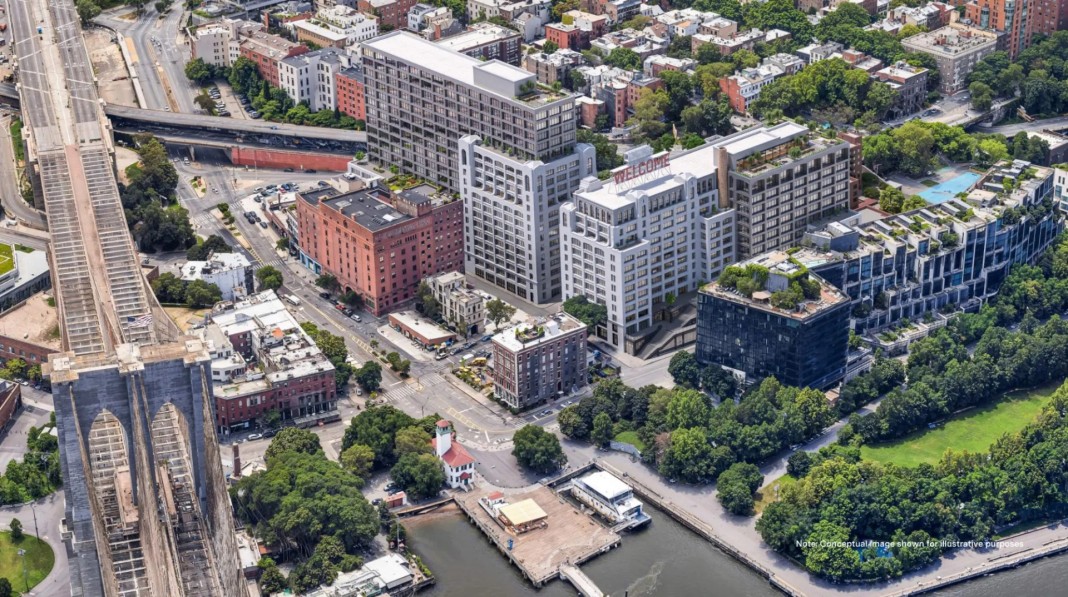
Many of you know that a rezoning process is underway for 25-30 Columbia Heights, also known as the "Watchtower" buildings, formerly owned and occupied by the Jehovah's Witnesses and originally by the Squibb company.
This week's article in Curbed provides some helpful context and background. While the city’s process known as ULURP is in the very early stages, here's where the BHA stands on this project so far:
We support the project's core concept. Adding housing at an underutilized site, with adaptive reuse of the historic Squibb factory buildings, is a positive step for the neighborhood.
Local school seats and transportation need attention. Public school capacity in the neighborhood, along with a host of transportation issues near this site, are already acute problems. The rezoning process requires the developer to prepare an Environmental Impact Statement (or EIS) for this proposal. The city is already requiring the EIS to include a study of transportation issues, which covers impacts on pedestrians, vehicle traffic and transit; the BHA and many others have called on the city to add schools as an additional area of analysis.
Public Views of the Brooklyn Bridge matter. At the BHA's annual meeting we mentioned that the project’s impact on public views of the Brooklyn Bridge is important. We’ve also asked the city to broaden the scope of the EIS so that it studies the impact of shadows on the bridge or surrounding streets and open spaces resulting from increased height. The EIS already plans to study the project’s impact on neighborhood character.
We want the rezoning to be specific. It should not leave the door open for a current or future owner to demolish the existing buildings and replace them with something significantly different than what's proposed; for example, a building which is much taller and narrower. The focus of this project should remain on adaptive reuse of the existing structures.
A few other priorities. We'd like to see the historic skybridge preserved, and we'll advocate for a good mix of uses in the non-residential space — whether a community facility, school, or neighborhood-serving retail.
The results of the EIS will inform our final view of the project and we'll continue to share updates as the process moves forward.
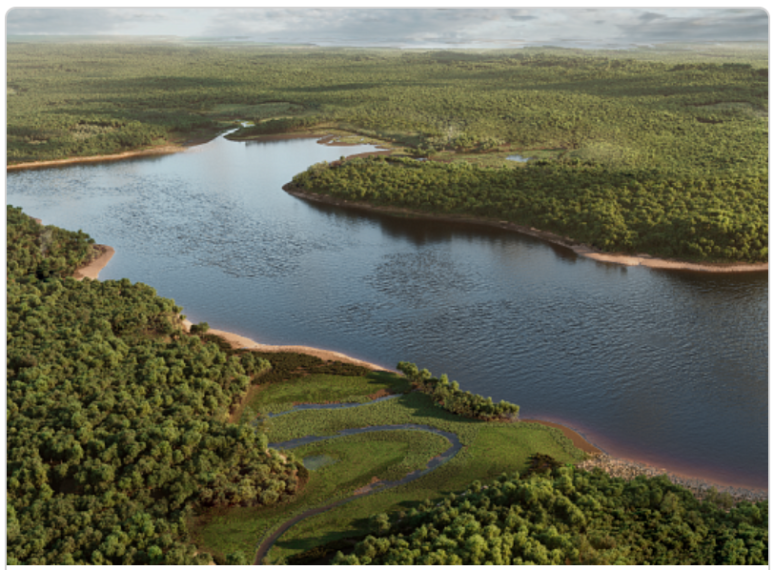
Photo: Rendering Courtesy of CIM |